
Top Nigerian News Today
10 Powerful Women Making Their Mark in Nigerian Politics, No. 3, 8,10 will Sh0ck you

10 Powerful Women Making Their Mark in Nigerian Politics, Why No. 3, 8,10 Roles Matter
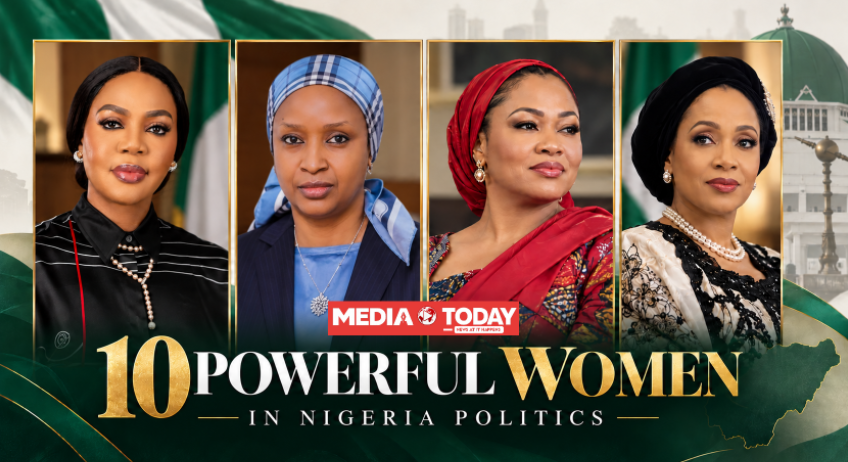
Nigeria’s political landscape remains largely male-dominated, but several women occupy important positions in government, diplomacy, legislation and political organisation. Who are they, and where does their influence come from?
From the National Assembly to the Federal Executive Council and the Presidency, women are participating in decisions that affect millions of Nigerians.
Yet representation remains limited. As of 2026, only four of Nigeria’s 109 senators are women, underscoring the gap between women’s participation in public life and their representation in elected national office.

This feature examines 10 prominent Nigerian women in politics, the offices they hold or previously held, and the specific responsibilities, experience and networks that give them a voice in public affairs.
The profiles are not a ranking of political power or an endorsement of any party or politician.
-
Senator Oluremi Tinubu
-
Ambassador Bianca Odumegwu-Ojukwu
-
Senator Natasha Akpoti-Uduaghan
-
Senator Ireti Kingibe
-
Hadiza Bala Usman
-
Hannatu Musa Musawa
-
Hon. Abike Dabiri-Erewa
-
Senator Idiat Oluranti Adebule
-
Senator Ipalibo Harry Banigo
-
Rt. Hon. Nkeiruka Onyejeocha
The 10 women and where their political influence comes from

Senator Oluremi Tinubu
First Lady of Nigeria, Former Lagos Central Senator
Oluremi Tinubu represented Lagos Central in the Senate from 2011 to 2023. As First Lady, she now has a prominent national platform and leads the Renewed Hope Initiative, which supports programmes in education, health, agriculture and economic empowerment.

Every second brings Nigerians closer to exercising their democratic right and shaping the future of our nation.
Exercise your democratic right responsibly, peacefully and lawfully.
Where her influence comes from: Her experience as a senator, public visibility, charitable initiatives and proximity to the Presidency. The First Lady’s position itself does not confer executive constitutional powers.

Ambassador Bianca Odumegwu-Ojukwu
Minister of Foreign Affairs, Former Nigerian Ambassador
Channel
Bianca Odumegwu-Ojukwu became Nigeria’s Minister of Foreign Affairs on April 29, 2026, after previously serving as Minister of State. She has diplomatic experience, including service as ambassador to Spain, and a long association with the political legacy of the late Chukwuemeka Odumegwu Ojukwu.
Where her influence comes from: Her ministerial responsibility for Nigeria’s foreign relations and international representation, along with her diplomatic experience and political connections.

Senator Natasha Akpoti-Uduaghan
Senator Representing Kogi Central
Natasha Akpoti-Uduaghan is a lawyer, entrepreneur and elected senator representing Kogi Central. She has brought public attention to industrial development, gender equity and political representation.
Where her influence comes from: Her legislative mandate, her ability to raise national issues through the Senate, and her visibility in public political debates.

Senator Ireti Kingibe
Senator Representing the Federal Capital Territory
Ireti Kingibe represents the Federal Capital Territory in the Senate. Her election in 2023 gave Abuja residents a female representative in the upper legislative chamber.
Where her influence comes from: Her elected mandate, legislative responsibilities, constituent advocacy and role in national discussions about the governance of the FCT.

Hadiza Bala Usman
Special Adviser to the President on Policy and Coordination
Hadiza Bala Usman heads the Central Results Delivery Coordination Unit, which monitors and coordinates progress on government priorities. She previously served as Managing Director of the Nigerian Ports Authority.
Where her influence comes from: Her role in tracking government commitments, coordinating policy delivery and reporting on implementation across federal ministries and agencies.

Hannatu Musa Musawa
Minister of Art, Culture, Tourism and the Creative Economy
A lawyer and public official, Hannatu Musawa oversees a federal portfolio covering culture, creative industries and tourism, sectors important to Nigerian film, music, heritage and economic activity.
Where her influence comes from: Her ministerial authority over creative-economy policy, programmes and engagement with industry stakeholders, subject to government processes and budgetary approvals.

Abike Dabiri-Erewa
Chairman and CEO, Nigerians in Diaspora Commission
Abike Dabiri-Erewa represented Ikorodu Federal Constituency in the House of Representatives from 2003 to 2015. She currently leads the Nigerians in Diaspora Commission, responsible for facilitating government engagement with Nigerians abroad.
Where her influence comes from: Her legislative experience, institutional leadership and access to international Nigerian diaspora networks.

Senator Idiat Oluranti Adebule
Lagos West Senator, Former Deputy Governor of Lagos
Idiat Adebule served as Deputy Governor of Lagos State between 2015 and 2019 before being elected to represent Lagos West in the Senate in 2023. Her background includes education administration and public-sector leadership.
Where her influence comes from: Her experience across state and federal governance, legislative position and established political connections in Lagos State.

Senator Ipalibo Harry Banigo
Rivers West Senator , Former Deputy Governor of Rivers State
A medical professional and former deputy governor, Ipalibo Banigo represents Rivers West in the Senate. She served as Deputy Governor of Rivers State from 2015 to 2023 and has held senior public-health and administrative positions.
Where her influence comes from: Her Senate seat, administrative experience and involvement in Rivers State political networks. Her political prospects have faced challenges, including disqualification from the APC’s May 2026 senatorial primary.

Rt. Hon. Nkeiruka Onyejeocha
Former Minister of State for Labour | Former Federal Lawmaker
Nkeiruka Onyejeocha represented the Isuikwuato/Umunneochi Federal Constituency in Abia State for four consecutive terms between 2007 and 2023. She later served as Minister of State for Labour and Employment before resigning in April 2026. She has since expressed her intention to seek a return to the House of Representatives.
Where her influence comes from: Her long legislative career, experience in federal government and continuing involvement in Abia State party politics. She no longer holds the ministerial office.
Why women’s political representation remains an important issue
These 10 women illustrate different forms of political influence: some exercise formal authority as elected legislators or ministers, while others work through presidential advisory positions, public institutions, political relationships or past experience.
But individual prominence does not mean equal representation has been achieved. Nigeria continues to debate proposals for additional legislative seats for women, while advocates and critics disagree about how best to expand political participation and address questions of representation, cost and electoral fairness.
The central question for Nigerians is not merely which women hold influential positions, but how effectively those positions translate into public accountability, better policies and measurable benefits for citizens.
DO YOU WANT TO WHISTLEBLOW, REPORT FRAUD, THEFT OR INJUSTICE OR INTIMIDATION? SEND US YOUR STORY/REPORT TO NEWSDESK@MEDIATODAY.NG


