

NEWS
Nigeria’s Inflation Slows to 15.91% in June as Food Prices Keep Pressure on Household Budgets

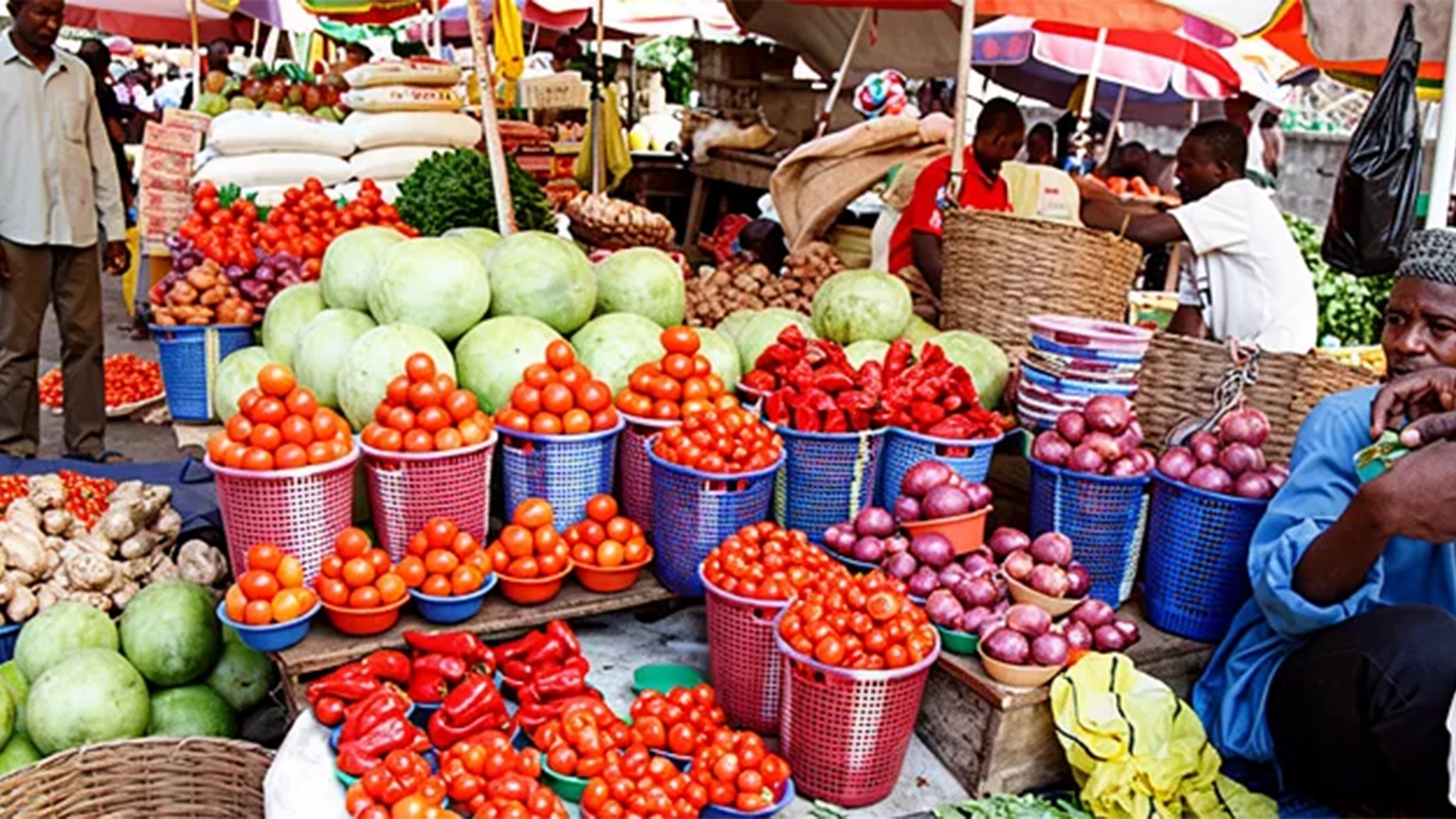
Nigeria’s Inflation Slows to 15.91% in June as Food Prices Keep Pressure on Household Budgets
-
Headline inflation eased marginally to 15.91 percent in June from 15.93 percent in May, while monthly inflation slowed to 1.66 percent
-
Food inflation accelerated to 3.75 percent month-on-month as prices of tomatoes, fresh pepper, crayfish and other staples climbed.
-
Niger, Kogi and the FCT recorded the highest annual inflation rates, underscoring persistent regional price pressures
Nigeria’s headline inflation rate moderated slightly to 15.91 percent in June 2026, down from 15.93 percent recorded in May, according to the latest Consumer Price Index (CPI) report released by the National Bureau of Statistics (NBS).
The figure also represents a sharp decline from 25.29 percent recorded in June 2025, reflecting the impact of the bureau’s rebased inflation methodology and easing price pressures over the past year.
The Consumer Price Index rose to 143.0 in June from 140.7 in May, indicating that while prices continued to increase, the pace of inflation slowed.
On a month-on-month basis, headline inflation eased to 1.66 percent, compared with 1.75 percentin May, suggesting a slower rate of increase in the average price level.
According to the NBS, the largest contributors to headline inflation remained Food and Non-Alcoholic Beverages (6.37 percent), Restaurants and Accommodation Services (2.06 percent), and Transport (1.70 percent), while Recreation, Alcoholic Beverages, Tobacco and Narcotics, as well as Insurance and Financial Services made the smallest contributions.

Food Prices Continue to Drive Household Costs
Despite the moderation in headline inflation, food prices remained a major source of pressure on household spending.
The food inflation rate stood at 17.52 percent year-on-year, significantly lower than 25.41 percent recorded in June 2025.
However, on a month-on-month basis, food inflation accelerated to 3.75 percent, up from 2.98 percent in May.
The bureau attributed the monthly increase largely to rising prices of crayfish, fresh pepper, tomatoes, dried green peas, yam flour, water yam, beef, bananas, cassava flour, cowpea, garri, Irish potatoes, and yam tubers.
Meanwhile, core inflation, which excludes volatile agricultural produce and energy, eased to 15.92 percent year-on-year, while its monthly reading declined to 1.66 percent from 1.94 percent in May.
The newly introduced inflation sub-indices showed farm produce inflation at 18.81 percent year-on-year, services at 15.99 percent, goods at 16.53 percent, imported food at 13.63 percent, and energy at 9.90 percent, reflecting varying price dynamics across key sectors.

Regional Inflation Gaps Persist Across States
Price pressures also remained uneven across the country. On a year-on-year basis, Niger (42.23 percent), Kogi (41.59 percent), and the Federal Capital Territory (39.91 percent) recorded the highest all-items inflation rates, while Imo (19.47 percent), Ebonyi (20.79 percent ), and Katsina (21.87 percent ) posted the lowest.
For food inflation, Kogi(53.02 percent), Niger (43.83 percent), and Benue (40.83 percent) recorded the highest annual increases, while Katsina (19.15 percent), Rivers (23.81 percent), and Imo (24.60 percent) recorded the slowest food price growth.
The report also showed urban inflation at 16.08 percent year-on-year, compared with 15.48 percent in rural areas, underscoring the continued divergence in price movements across locations.
While June’s figures suggest inflationary pressures are gradually easing, the persistent rise in food prices indicates that household purchasing power remains under strain.
The data also highlight significant regional disparities, suggesting that inflation continues to affect states differently even as the national headline rate moderates.


